
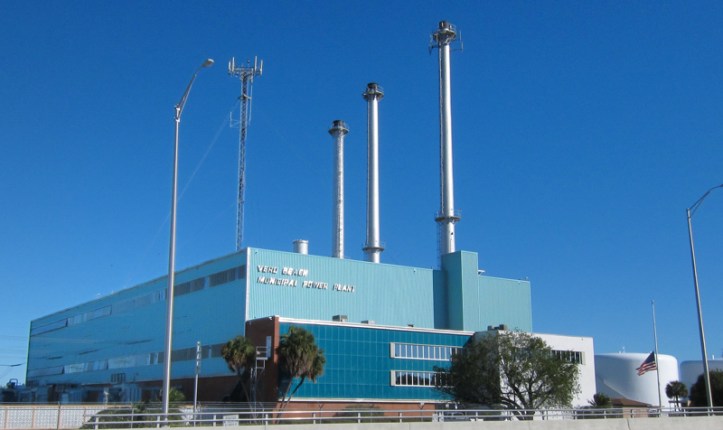
Vero Electric customers will soon see in their bills a 5.8 rate increase that went into effect Dec. 12.
What’s behind the rate hike? For starters, legal fees from the city’s transactional attorneys are mounting. Now totaling $650,000 with no immediate end in sight, the $500 per hour charges from the city’s Palm Beach law firm are more than $150,000 above the original estimate.
A little more than a year ago, when the Council hired the law firm of Edwards Wildman to represent the city in the sale of Vero Electric to Florida Power & Light, it was told the total legal cost would be close to $500,000.
City Manager Jim O’Connor recently estimated the city’s legal bill for selling the electric system could top $1 million by the time the transaction in completed, which will likely be no sooner than January 2014. Those legal costs are now showing up in electric bills for the customers of Vero Electric.
By far, though, the biggest hit to current ratepayers comes as a result of the Council’s decision to pay cash for long-term capital improvements, rather than financing those costs and thus spreading them over the life of the projects.
For example, $3.5 million in regular maintenance on turbine generators Two and Five was paid for out of reserves rather than being capitalized. The net effect of paying cash for such regular maintenance required every ten years is that the city must increase it electric rates to generate and additional $3.5 million in the current year in order to replenish the reserve fund.
Councilmen Richard Winger and Jay Kramer have both been critical of the Council’s decision to use reserves to pay for capital projects that have in the past always been financed.
While proponents of the sale of Vero Electric point to the latest rate increase as another reason to sell the system, others argue the 5.8 percent rate hike would not have been necessary if the Council had taken steps to lower rates.
Kramer has been particularly critical of what he sees as the Council’s failure to better serve its electric customers. According to Kramer, rates would be lower today if the city had moved to sell its 22,000 county customers to Florida Power & Light.
If the council had been willing to pursue the option of a partial sale, Kramer believes county customers would already be saving some 24 percent on their electric bills.
Kramer also points to a number of interrelated steps that could reduces rates, such as decommissioning the power plant, outsourcing customers service and transmission and distribution and renegotiating wholesale power contracts with the Orlando Utilities Commission.
Kramer and Winger have also been highly critical of the city’s transactional attorneys for failing to give all 15 members of the Florida Municipal Power Agency’s All Requirements Project proper notice of the city’s intent to leave the group.
As a consequence of having failed to give proper notice, unless each of those 15 members agrees to give the city a waver, it may be impossible to close a deal with FPL before October 1, 2016.
How much could the delay cost? At least according to estimates by the sale’s strongest proponents, the rate differential between FPL and Vero Electric is costing the customers of Vero Electric no less than $20 million a year collectively.
For now, though, rates are rising, legal bills are mounting, capital projects are being paid for out of cash, and the all-important question of whether the city will be able to resolve its commitments to the Florida Municipal Power Agency remains unanswered.
 Indian River Guardian
This is yet another example of the three city council proponents for the utility sale ignoring their sworn duties and acting in bad faith with all of the utility customers to justify their rediculous position on the total sale of the COVB Power Plant.