
MILT THOMAS
The words disaster and Haiti are almost synonymous, but it wasn’t always that way and doesn’t have to be in the future. At least that is what Kent Annan and John Engle of Haiti Partners believe.
Haiti Partners is one of about 10,000 NGO groups trying to battle earthquakes, hurricanes, corruption, disease and ignorance in a country few people believe will ever rise above its misery. Just a few days ago, Newark mayor Cory Booker came to Vero and told of the seemingly insurmountable problems he faced when he took office – crime, corruption, unemployment, crumbling infrastructure, a failing education system. Add to that an earthquake that killed more than 25% of a country’s population, destroyed 90% of the buildings and roads, left millions homeless, rampant disease, totally failed infrastructure, then pile a devastating hurricane on top of it, and you have Haiti.
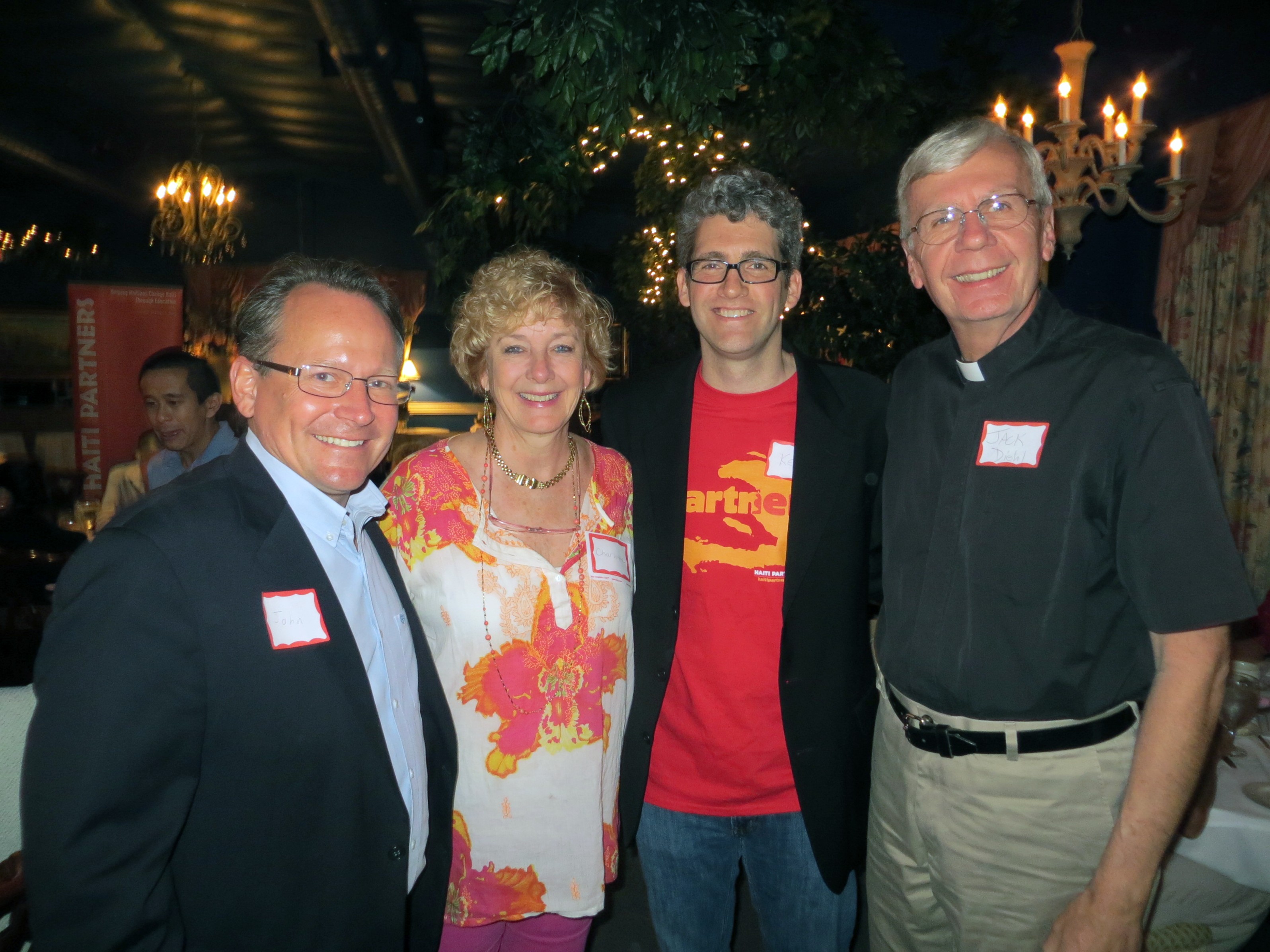
At a recent luncheon in Vero for supporters of Haiti Partners, Co-directors John Engle and Kent Annan lit a candle of hope for that country’s future in one area where progress is actually tangible. According to Engle, “After the earthquake, with schools destroyed, Haitian children simply continued to learn in makeshift outdoor classes. These children are the future of Haiti.”
Engle has spent the past 20 years living between Haiti and the U.S., most recently in Vero Beach. He and his family survived all the natural disasters and continue to work through the human ones with a firm belief that education will lead to self-sufficiency and a better life.
Kent Annan shares that belief, but spends much of his time traveling around this country telling the Haiti Partners story and developing supporters. He never imagined this would become his life’s work. Originally from Edmonton, Alberta, Canada, Annan moved to West Palm Beach at the age of ten. “My father was a pastor and he was called to a church in North Palm Beach. That’s about as far apart as you can go in North America.”
He went through high school, then majored in business at Palm Beach Atlantic University. “I was president of the business club, which is about as far from my father’s work as you can go. But we always had missionaries come and visit, telling inspirational stories about their work. They worked on me over four or five years and finally convinced me to make a two-year commitment to mission work.”
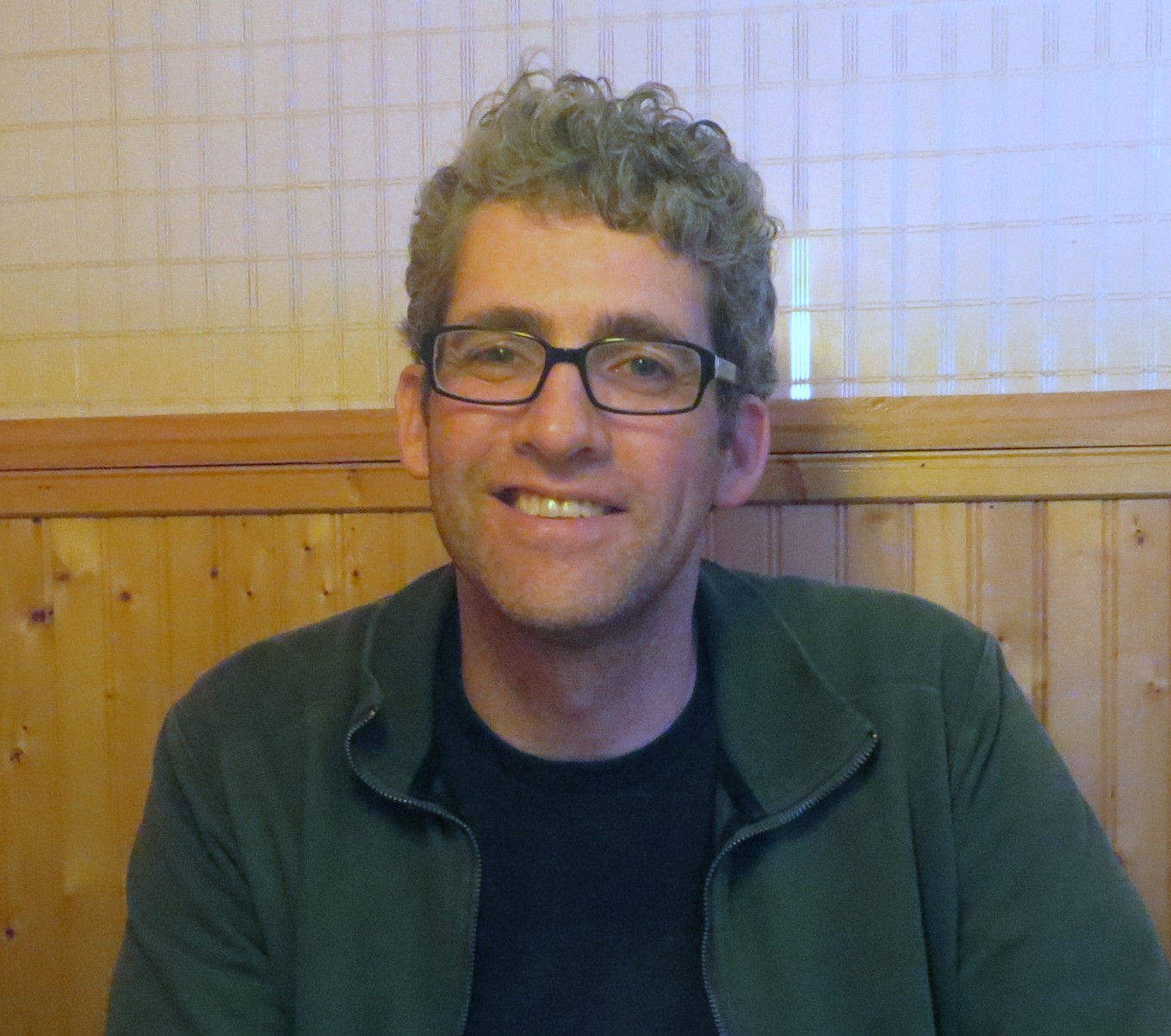
Annan moved to London for his 21st birthday, then France for six months. “I visited a lot of refugee camps around Europe and it was life changing. I didn’t think I was contributing much, but the experience did a lot for me.”
His Christian faith became the focus of his life and he went to Princeton Theological Seminary for three years. “I spent one summer in India and decided this is what I wanted to do for my life’s work.”
But, as John Lennon once wrote, life is what happens when you are making other plans. “My last semester at school I met this beautiful young woman.”
Shelley Satran was from North Dakota and had never been far out of the country. “She was studying to be a pastoral minister and I wanted to do international mission work. It seemed we had a tough decision to make, but she still had three years of school left. I went to Albania and Kosovo for six months and when I came back, we were married. I took a staff position as writer-editor at the Princeton Seminary publication while she finished school.”
Meanwhile, he heard about an organization called Beyond Borders, a spin-off of the Evangelical Association for the Promotion of Education (EAPE) founded by Dr. Tony Campolo. “I got on their mailing list and Shelley and I went to an annual meeting near Philadelphia, where I met John Engle. He lived and worked in Haiti. We hit it off immediately and he offered both of us a job, me working with him and Shelley the pastorship she wanted. Within 24 hours we were living in Haiti with a family who spoke no English, had no electricity and no running water.”
That was ten years ago. Annan recounts his early experiences in Haiti in his first book, Following Jesus Through the Eye of the Needle (IVP Books, 2009). The book was highly successful and all profits were donated to Haiti Partners, which had branched off from Beyond Borders and focused totally on Haiti. As the book noted, the problems they faced seemed beyond hope, but Haiti Partners’ emphasis on building and staffing schools was creating a team of enthusiastic supporters among the Haitian people themselves.
“We built schools using local labor. Many NGO groups brought in their own volunteers to do the work, but these people needed jobs more than anything, so we paid them. We developed local staff , trained teachers and also trained people to go out into the community and convince parents to send their kids to school. More than half of the adult population in Haiti never went to any school.”
They started small but with enthusiastic staff they were making progress, not so much for the present, but for the future. Then came the earthquake of 2010.
“John had just built a home in the hills outside Port-au-Prince and it became a shelter for all his neighbors whose homes were destroyed. Every school we had built was also destroyed.”
But giving up was not an option, especially when the people themselves did not want to give up. “We continued to teach outdoors as the schools were being rebuilt.”
Annan wrote a second book, After Shock: Searching for Honest Faith When Your World is Shaken (IVP Books, 2011) and continued undaunted his efforts to raise money around the country.
Today, Kent and Shelley live in Vero Beach with their two children, Simone, age seven and Cormac, age four. Shelley is Associate Pastor at Our Savior Lutheran Church.
“What I have learned from these ten years working in Haiti is how important it is to have trusted colleagues on the ground, especially during a crisis. We have relationships built on respect and respect was earned by showing them we came to learn not to save. We learned to speak their language of Creole, which helped gain their trust.”
The question that most people probably ask is how they can keep going in the face of so much tragedy and grinding poverty. “There’s a group dynamic at work,” says Annan. “They feel they are all in the same boat and don’t feel sorry for themselves. Unfortunately, television and the internet can be a problem, seeing how other people live.
“The big picture is still overwhelming, but we see some progress, roads being repaired, new construction, money from donor nations and organizations definitely helping. The government is better than it was before although security is still an issue. But John and I draw strength from our Haitian colleagues. We consider it a privilege to have such dedicated people who see beyond the present and hold out hope for the future.”
That hope rests in the hands of people like Kent Annan and John Engle, leading Haiti’s children out of the darkness with a small but very bright candle.
 Indian River Guardian