
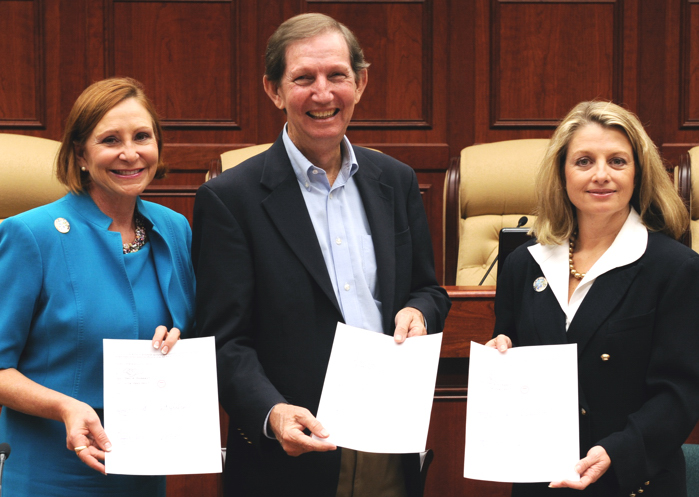
MARK SCHUMANN
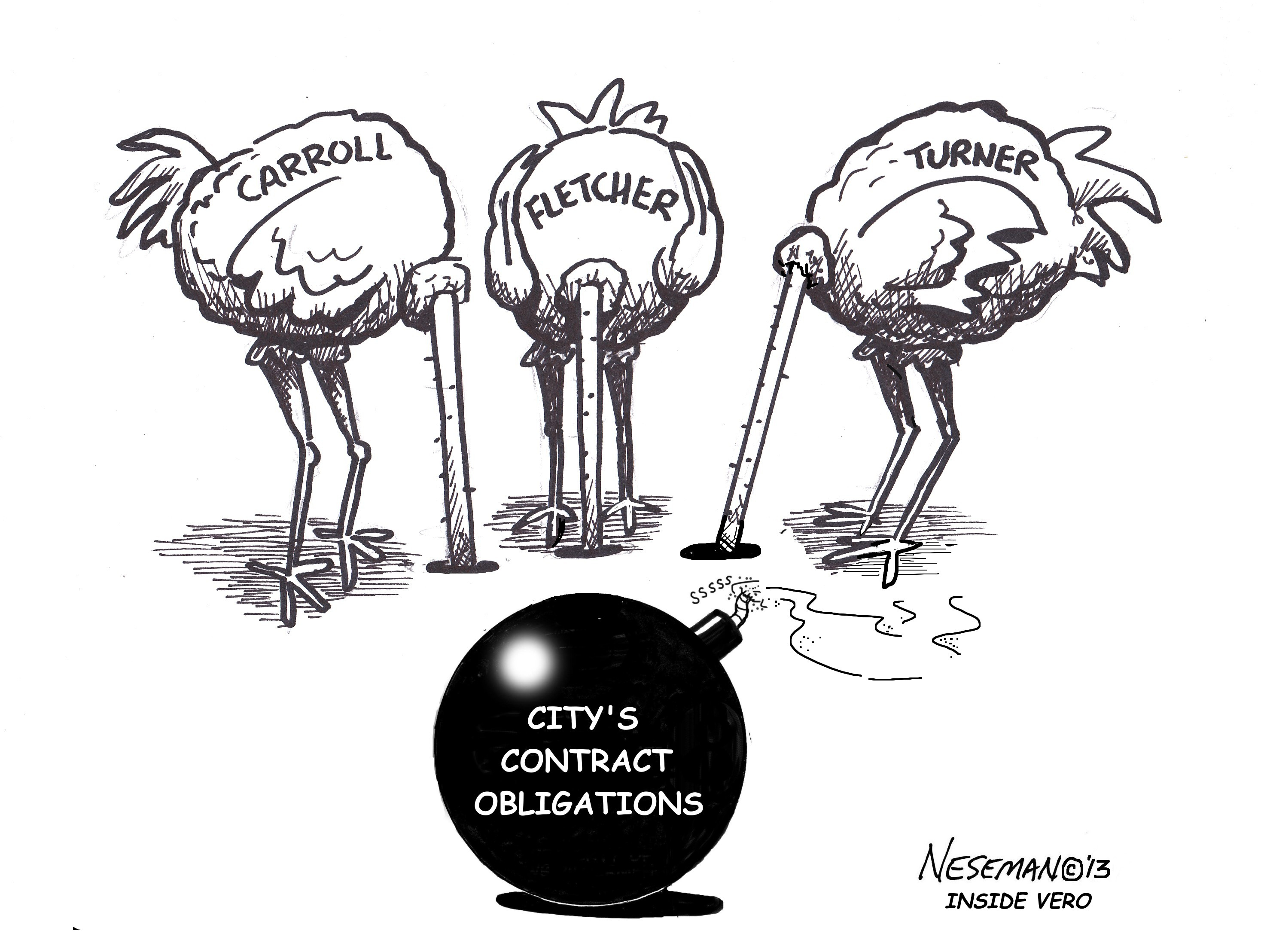 The old adage about the devil you don’t know being far worse than the devil you do know is certainly proving true in the negotiations to sell Vero Electric.
At $500 an hour, the city’s transactional attorneys spent more than a year negotiating the asset purchase and sale agreement between Vero Beach and Florida Power & Light, all the while the far more challenging work of resolving the city’s contractual obligations to the Florida Municipal Power Agency and its bondholders remained largely unaddressed.

Many have long argued that the transactional attorneys should figure out how to do first things first, and how to keep the main thing the main thing. After all, it is hardly news that extracting the city from its commitments to the FMPA would be the highest hurdle to clear.
When tax attorneys for all four parties (Vero Beach, FLP, the Orlando Utilities Commission and the FMPA), gathered in Orlando two weeks ago, it took them no more than four hours to conclude Vero Beach’s transactional attorneys have been burrowing down a rabbit hole.
Actually, the dead end track the transactional attorneys chose to pursue does lead somewhere. It leads to higher electric rates, for every month of delay costs the customers of Vero Electric $2 million.
In his report to the Florida Municipal Power Agency’s executive committee Thursday, chief counsel Fred Bryant reported all four parties to the negotiations now agree the plan to funnel Vero Beach’s FMPA power allotments through the OUC to FPL would likely not be approved by the Internal Revenue Service.
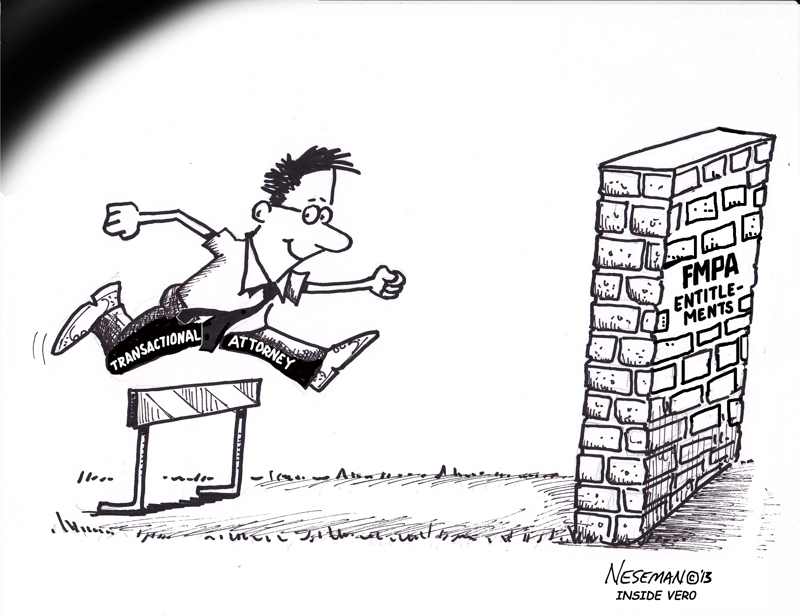 “Plan A” is now off the table, and “Plan B” exists as no more than half a dozen bullet points. Quite simply, what was to be a linchpin in the deal is not going to work.
How could it be that the city’s high-powered, and even higher-priced transactional attorneys failed to discover the flaws in their plan before spending months crafting and negotiation an agreement that is simply unworkable?
To date, the transactional attorneys have billed nearly $1.2 million for their work. Though their recent “courtesy discount” of $10,000 is a kind gesture, it pales in comparison to the cost of delay.
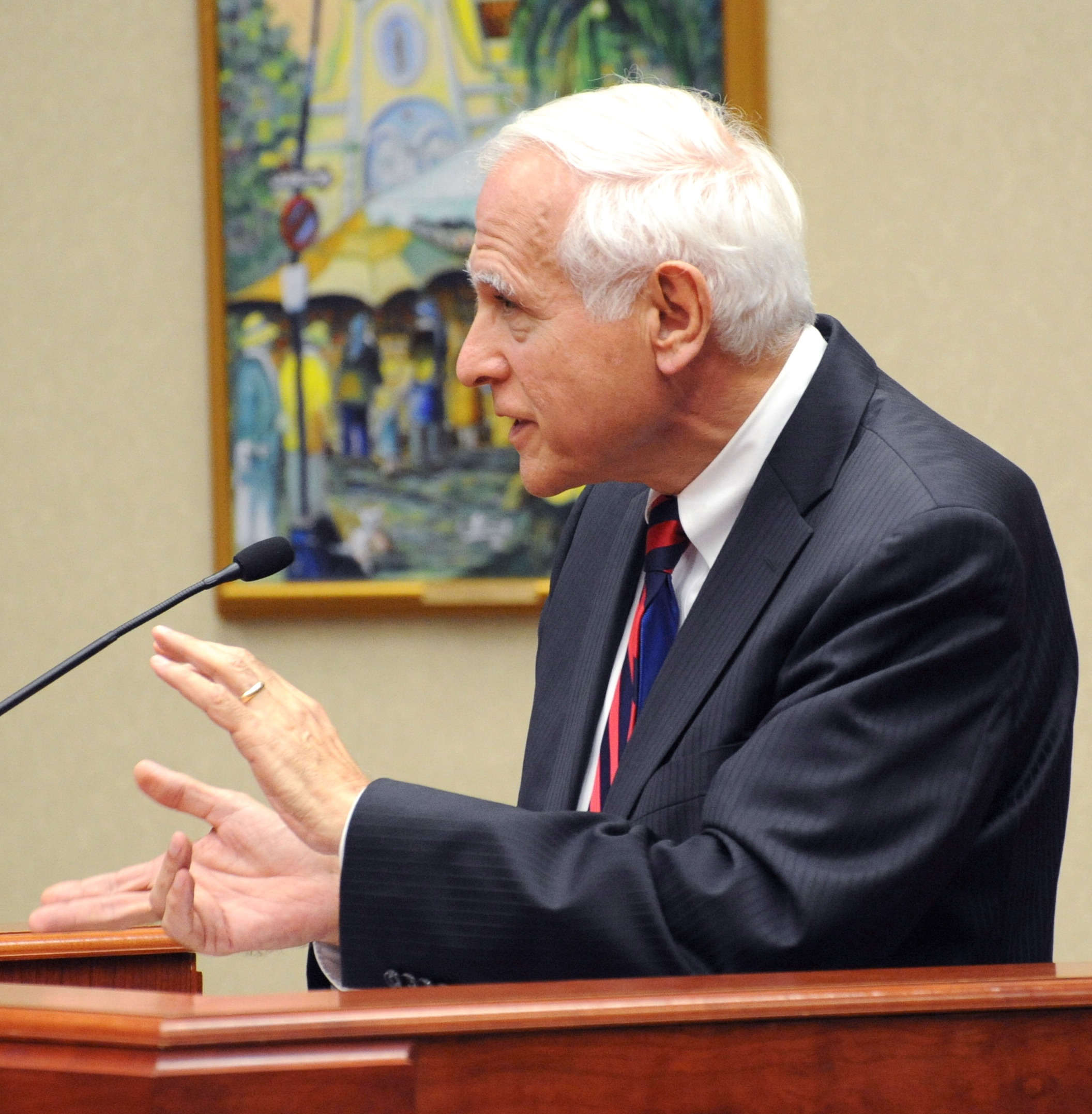
As they attempt to pull one rabbit after another out of their hats, the transactional attorneys seem more like amature magicians than $500-an-hour attorneys. Who can forget their failed attempt to convince the FMPA that Vero Beach is not selling its electric system, but is merely abandoning it? It may have been a good “college try,” as transactional attorney Rick Miller put it, but remember that college athletes are amateurs.
With more than a year and a half of work already behind them, the biggest question facing the transactional attorneys, and the customers of Vero Electric, is not “when,” but “if” the deal will ever close.
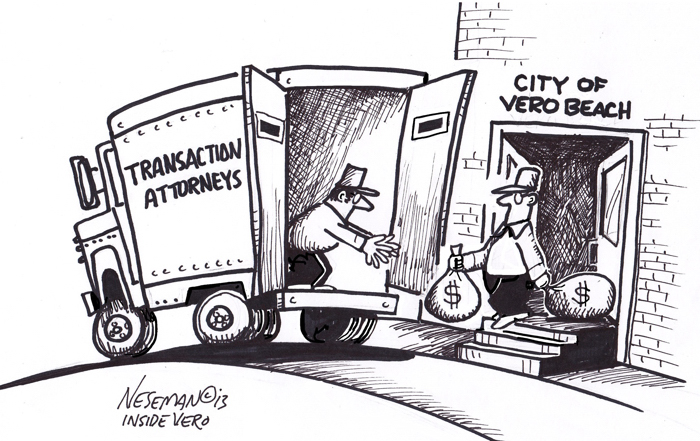 The questions that need to be asked are: Did the transactional attorneys consult their fellow tax partners before allowing City officials to sign the entitlement transfer agreements, the power purchase agreements, and sales agreement with FPL? If not, why not? If tax attorneys were brought into the negotiations, when, and what was their advice? Was this information share with City Manager Jim O’Connor, or any members of the City Council?
Perhaps it is time for city leaders to consider retaining a litigation attorney to begin looking into what case, if any, the city may have against its transactional attorneys.
 Indian River Guardian
yep
Some of us were fussed at because of our insistence we should not be putting the cart before the horse. But they were in such a hurry to get it done, the possibility of having to “regroup” was not considered. There was no Plan B then. Think your conclusion is reasonable.