
LUX ET VERITAS
There is a seismic sea change from a populist outcry denouncing the degradation, deterioration and destruction of our environment and waterways which are spewing toxic waste from fertilizers, sewers, runoffs from roadways and developments into the estuaries, rivers, and lagoons from the Atlantic Ocean to the Gulf of Mexico.
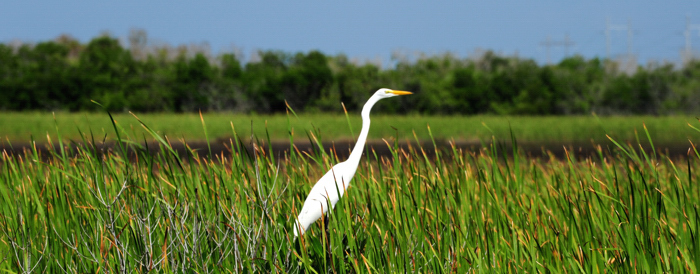
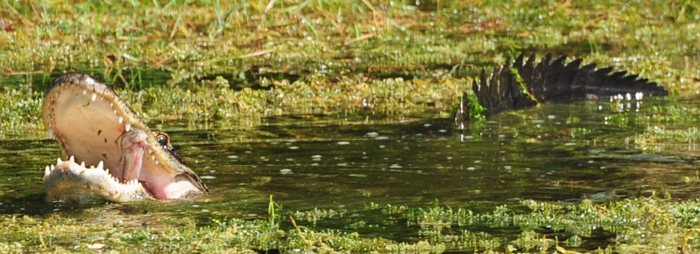
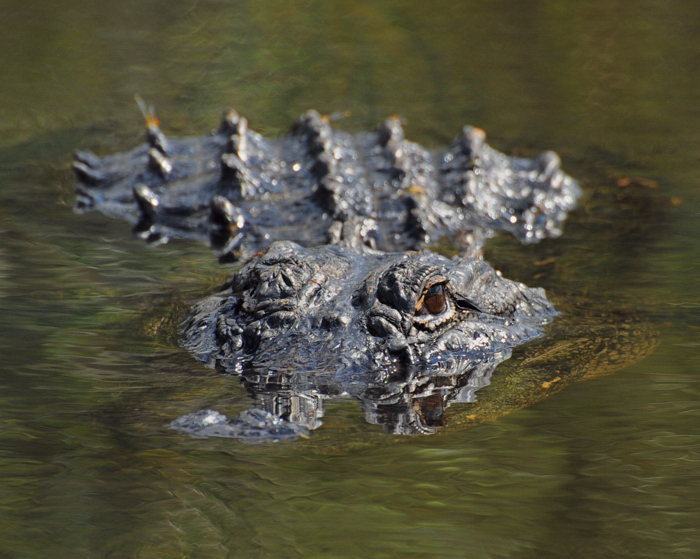
Extinct and sixty eight endangered species in the tropical Everglades include turtles, plants, tree hammocks, saw grass, butterflies, crocodiles, birds, marine life, and Florida Panthers. On both Coasts, wild life in the air, sea and land are disappearing and threatened. So are we humans vulnerable. Today one half of the 1920s Everglades is gone.
In the 1940 Census, Florida’s population was 1,900,000; fewer than in any of the other former Confederate States and ranked 27th of the original 48. In the 2010 it ranked fourth and will surpass New York in this decade. Tourists, college students and seasonal residents further spike the populace throughout the year.
Prior to WW II, pre air conditioning, Interstates, and air travel except for selected enclaves on the water and near beaches, the 531 miles from Pensacola to Key West were sparsely settled south of Orlando. Inland from the Coasts for 175 miles south from Sebring to Flamingo was a majestic and forbidding forest and swamp and marsh, nurtured by Lake Okeechobee. Ironically, development expansion from the east is currently blocked by agriculture and levees. In contrast, for the lower west coast from Naples to Cape Coral suburban sprawl could encroach upon lands toward the lake and surround Big Cypress National Preserve.
Following the hurricanes of 1926 when 400 perished and the devastation of 1928 which claimed 2500 lives from the burst dams of Lake Okeechobee ( the second largest fresh water lake in the lower 48), it was contained by the Hoover dike, locks and the waterways from the Treasure Coast to the Gulf of Mexico. Water flowed east, west and southeast to the Palm Beach/Miami metroplex; but the Glades became parched during the dry seasons, and susceptible to fire storms.
With the water flow diverted, the explosive development growth of Southeast Florida ensued after the War (as Michael Grunwald wrote in “The Swamp The Everglades, Florida and the Politics of Paradise”, 2006) :by “…the newly wed and nearly dead”. Reclaimed land directly south of the lake spawned what grew to be 625 square miles of cane on sugar plantations. Slowly at first.
Prior to 1960, there were approximately 50,000 acres of cane in Florida; in 2005 over 400,000 acres produced approximately half of the raw sugar cane in the Country. Until the embargo Cuba was the World’s largest grower, refiner and exporter of sugar in the late 50s with significant quantities imported to the United States. Cuba’s current production is 17% of 1950’s harvest.
Protected by confiscatory tariffs, import quotas, Government subsidies, surplus purchases ($38M approved for 2013), loans, infrastructure improvements, facilitated with political influence, domestic sugar is priced almost double that on the International market.
In her classic 1947 “The Everglades, River of Grass” Marjory Stoneman Douglas’ opening words were “There are no other Everglades in the world. They are and always have been one of the unique regions on earth, remote, never wholly known…They are unique also in the simplicity, the diversity, the related harmony-of the forms of life they enclose… It is a river of grass.”
 And the last paragraph raised an alarm “Perhaps even in this last hour, in a relationship of usefulness and beauty, the vast magnificent, subtle and unique region of the Everglades may not be utterly lost.’
The Corps of Engineers concentrated its focus and efforts on an efficient water flow and flood protection. A General proclaimed “This Nation has a large and powerful adversary. We are fighting Mother Nature…It’s a battle we have to fight day by day, year by year. The health of our economy depends on victory” John McPhee “The Control of Nature”, 1990.
The environment deteriorated as urban sprawl, shopping malls, tourism and agriculture boomed. The result is an imbalanced eco-system in the lake, lagoons, rivers, estuaries, aquifers, land and beaches befouled, polluted by sewage, fertilizer and debris.
 Indian River Guardian