
ED TAYLOR

The Vero Beach City Council has agreed by a unanimous vote to reduce the rates to customers of the city electric system by a rate of 1.1 percent effective January 1, of this year and to review the rates on a quarterly basis pending any sale of the system to Florida Power and Light (FPL). The slight reduction will be reflected on the February electric bill. The issue was addressed under city manager’s matters after being recommended for approval by the city’s advisory finance commission.
City Finance Director Cynthia Lawson told the council that fuel costs had gone down slightly since the council raised rates by 1.9 percent last October and recommended the quarterly review for possible rate adjustments. Lawson had stated previously that while the sale process to FPL is ongoing, the city needs to operate the utility as an ongoing concern.
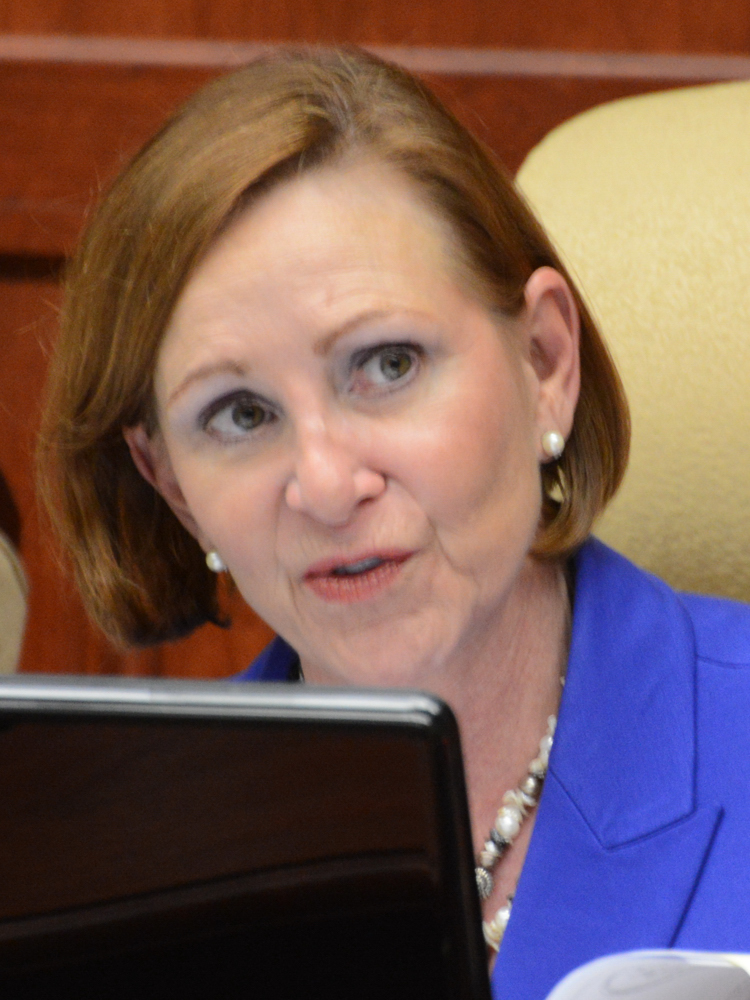
Council member Pilar Turner questioned if such efforts should be made for such a small rate reduction. “Are we going to have to address one percent tweaks every three months?” she asked. She suggested that perhaps there should be a minimum threshold amount before rates are addressed but ultimately voted with her fellow council members to reduce the rates.
Vice Mayor Jay Kramer stated that a quarterly review of the rates was a good idea due to fluctuating prices and usage and that the same analysis could be used if any additional rate increases were necessary.
Kramer had suggested a rate reduction during the last city council meeting on January 7, but due to statements made by FPL’s External Affairs Manager, Amy Brunjes, that she expected the Florida Municipal Power Agency (FMPA) to take a vote on issues delaying the sale of the city electric system during their February meeting, the issue raised by Kramer was tabled until a March council meeting.
Since that date, FMPA General Manager and CEO Nicholas Guarriello, has stated that due to delays in response from FPL that his agency would not be addressing the release of the city from their existing contracts until their March meeting, contrary to the statements made by Brunjes.
“Contrary to some public comments, the possible vote by FMPA’s Executive Committee in February is not at all a decision about letting Vero Beach out of its FMPA contracts, nor any other conclusive step in this necessarily multi-step process,” Guarriello said in a recent statement to the media.
“I can’t say how disappointed I am,” Mayor Dick Winger said shortly after the vote to reduce rates was taken. It was Winger who suggested that the rate issue be tabled until March during the previous city council meeting. The mayor has previously stated that one of his primary goals for the current fiscal year is to complete the sale of the full city electric system to FPL.
When a previous council approved the sale by a vote of 3 – 2 in February of last year, then Mayor Craig Fletcher signed the sales contract on behalf of the city. Fletcher had been joined by Councilmember Pilar Turner and former Councilmember Tracy Carroll in approving the sale at a time when the city had existing long term contractual commitments to the FMPA and the Orlando Utilities Commission (OUC). Council members Winger and Kramer were the dissenting votes in the approval of the contract last year.
Guarriello said in his previous media statement that “Florida Municipal Power Agency (FMPA) is committed to working with Vero Beach, consistent with our contracts and the interests of our cities and bondholders.” In addition to the existing contracts with OUC and FMPA, there are also issues that must be addressed with the Internal Revenue Service and the Florida Public Service Commission before the sale to FPL can be completed based upon statements of City Manager Jim O’Conner to the city’s finance committee.
The council also voted to include the city’s utility commission for review and recommendations for any future rate reductions. The council did not address the possibility of conflicting recommendations from the two city advisory panels.
Although the rate reduction is a slight 1.1 percent, it does represent the first rate decrease after five increases in electrical rates during recent years.
Utility Commission restructured
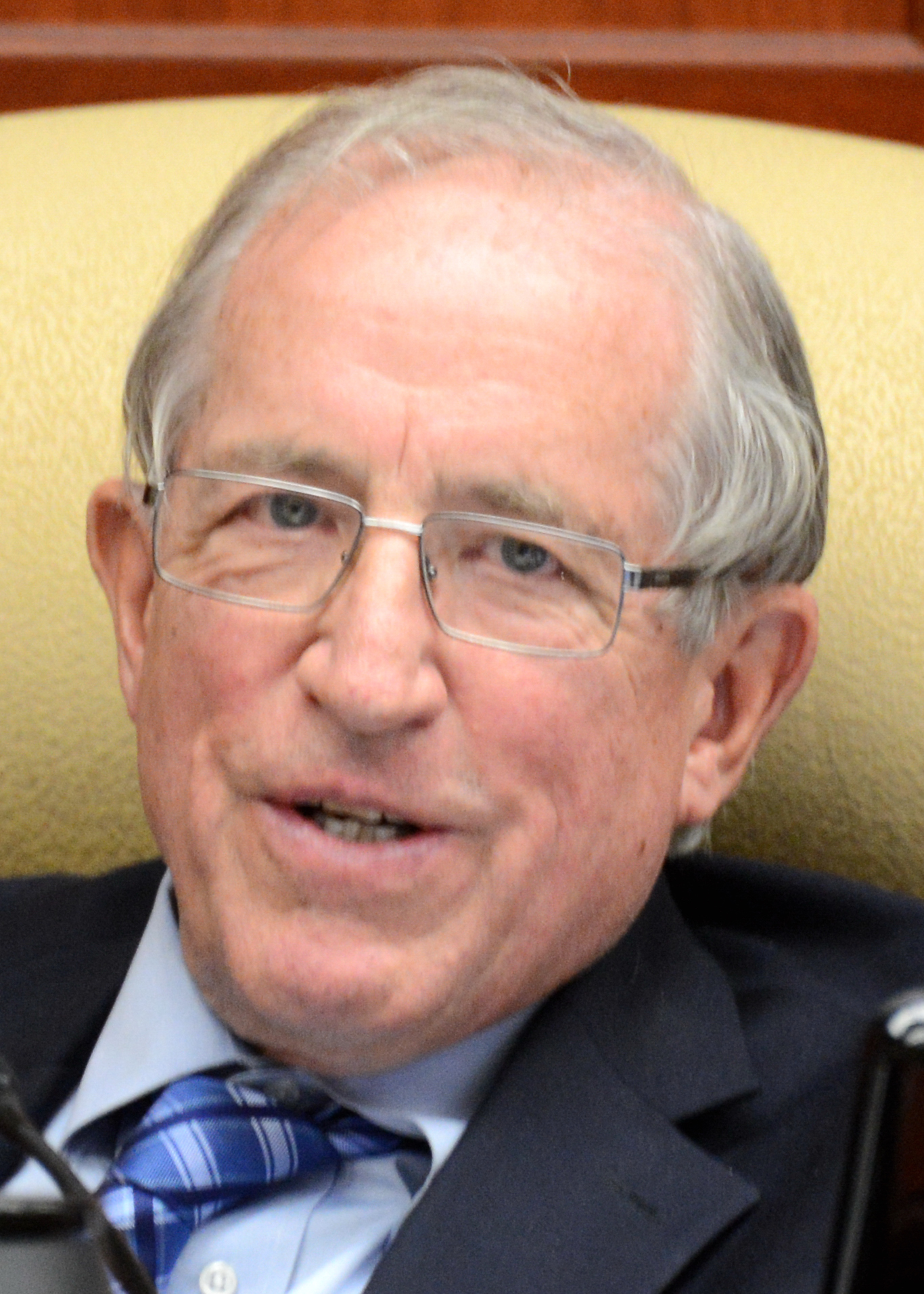

In other action, the Council approved by a vote of 3-2 a motion by Mayor Richard Winger to change the way the Utility Commission is structured and appointed. City Attorney Wayne Coment will now draft a revision to city code to be read at the Council’s Feb. 4 meeting and then acted on Feb. 18.
Supported by Kramer and Councilwoman Amelia Graves, Winger’s proposal will expanding the Utility Commission from five to seven members. Each Council member will have one appointment, as is the case with the Finance Commission. The Town of Indian River Shores will name one member, and the Council at large will appoint the remaining full position and the two alternate positions.
Winger’s proposal, which also calls for a majority of Utility Commission members to be city residents, was a compromise to an earlier plan that might have led to a Commission with the Indian River Shores appointee being the only representation for out-of-city customers. Winger’s compromise motion came after a lengthy discussion.
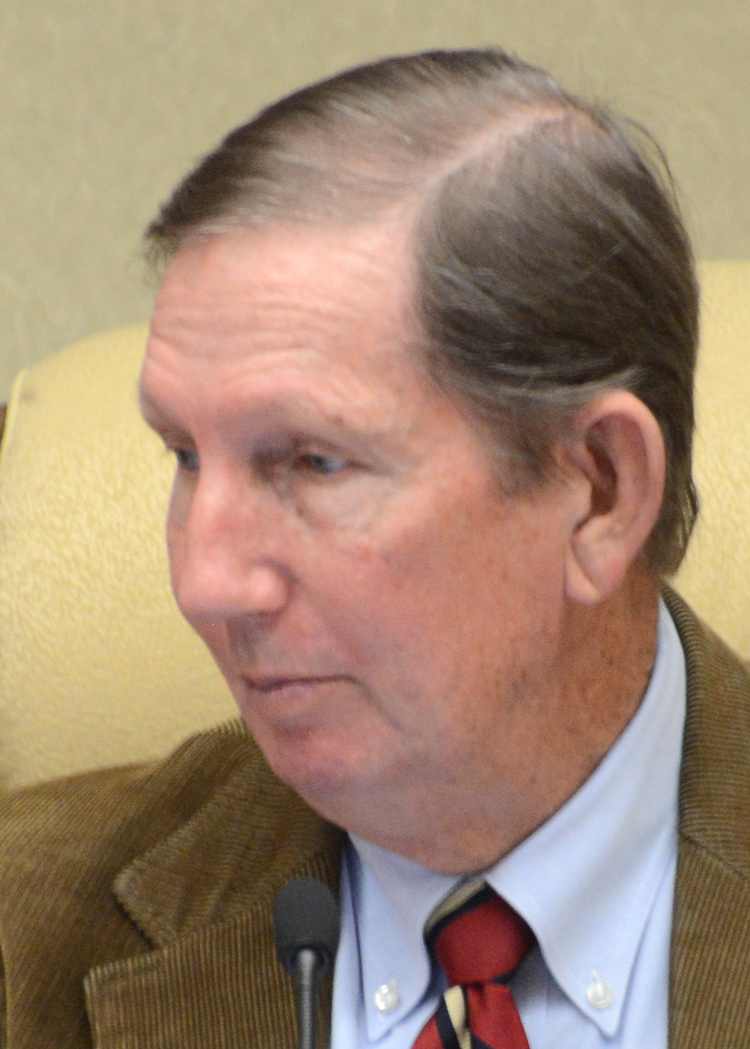
Turner and Councilman Craig Fletcher opposed the change, saying they believe the current Utility Commission is working. “If it isn’t broken, don’t fix it,” Fletcher said more than once.
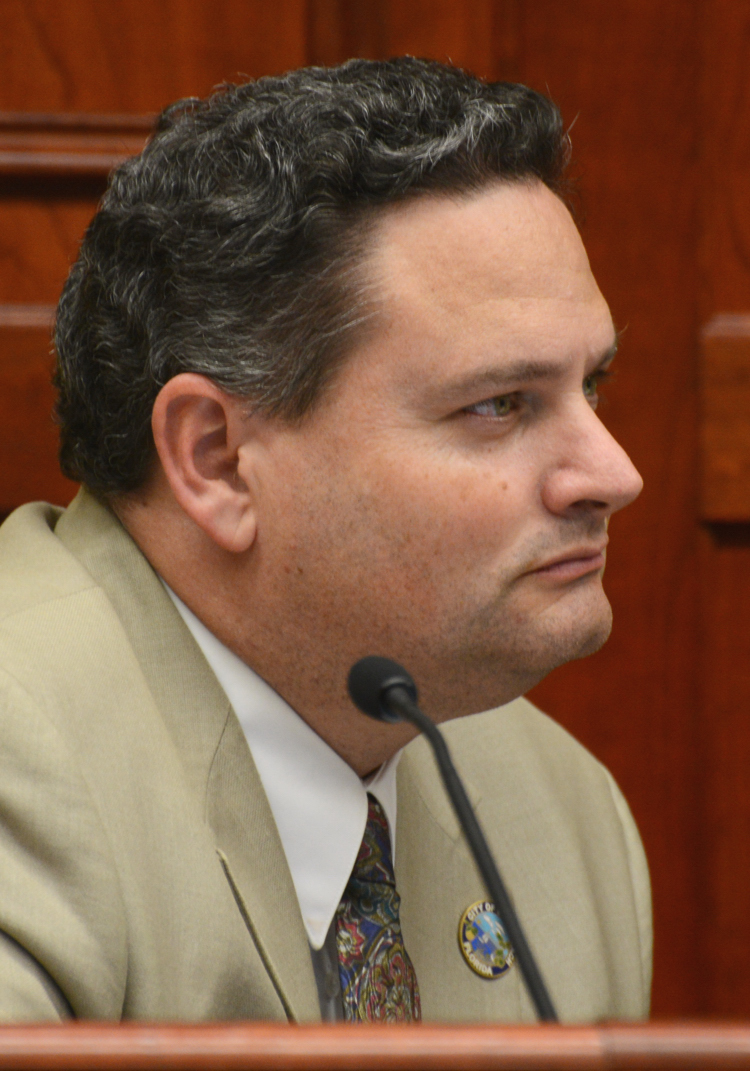
Utility Commission chairman Scott Stradley, who earlier supported Kramer’s proposal to give each Council member an appointee on the Commission, last night reversed his position. Stradley urged the Council to leave the Commission as it is.
Essentially, the current Utility Commission is made of members all appointed by Turner and Fletcher, who, along with former member Tracy Carroll, “fixed” the Commission in January 2011, by dismissing members who did not wholeheartedly support their approach to selling the electric system. At the same time, less than compliant Finance Commission members also received their pink slips.
What some have called the “January Massacre,” led to growing frustrations by those who felt the Utility Commission has become a board of yes men and women. “Have you all forgotten how we got to this pace,” Kramer said at one point in the Council’s debate last night.
Kramer then recounted how Turner came to the Council’s first meeting in January, 2011 with a proposed list of new appointments for the Utility Commission. With virtually no discussion, Turner, Fletcher and Carroll then sacked several Commission members and approved Turner’s proposed list of new appointees.
County water and sewer rates approved for south beach customers
The Council considered one other utility matter last night, approving 5-0 a motion to charge the approximately 3,000 out-of-city water and sewer customers on south barrier island County rates plus a 6 percent equalization fee. The Council’s action was taken unilaterally, without County Commission approval, and mirrors the agreement the City reached in 2012 with the Town of Indian River Shores.
Over the past few years, many south barrier island water and sewer customers have, at the urging of utility activist Glenn Heran and County Commissioner Bob Solari, said they want to become customers of the County’s water and sewer utility, or, failing that, to be charged County rates.
Even though city staff and consultants have estimated the County water and sewer rate structure will cost south barrier island customers in total an additional $170,000 a year, representatives of the South Beach Property Owners Association continue to insist they want County rates.
The current 30-year franchise agreement between the City and County, which the County Commission has said it will not renew, expires in 2017. But the City also has a service territory agreement with the County giving it the right to serve the south barrier island “in perpetuity.”
The County has offered to agree to a new “30-year” franchise agreement, which it could unilaterally terminate in 10 years. The County’s proposal also calls for the City to renounce ownership of the water and sewer infrastructure on the south barrier island and to split a proposed six percent equalization charge with the County.
County Attorney, Dylan Reingold, spoke to the Council last night, explaining that because negotiations between City and County staff are an impasse, he was asked by the County Commission to approach the Council directly.
“This is like when a homeless person asks you for $20 dollars. You say no, and he says, ‘Let’s compromise at $10,’” Kramer said.
 Indian River Guardian
When Craig Fletcher says,” if it ain’t broken don’t fix it” he has proven once again to be incompetent and out of touch with reality. When Pilar Turner , Tracy Carroll and Fletcher walked into the 2011 meeting and fired anyone with the prudence and duty to ask questions ,they are guilty of quashing dissent .At that time Turner said,”the commissions are formulated by Council to support Council decision making.” What Turner and Fletcher want is blind loyalty not critical thinking.This is the wrong approach to good government. What they want is full control with no other opinions except theirs. A change is needed because the Turner, Fletcher,Carroll approach has gotten us no where with the electric sale. I ask Mrs Turner ,What’s wrong with lowering electric bills quarterly rather than yearly. My money is better in my pocket than any where else. What can be said about the Scott Stradley reversal except we all know he takes his marching orders from Wilson and Heran. PS It was Turner’s heavy handed firing of members of the utility commission that made me get involved .