
MILT THOMAS
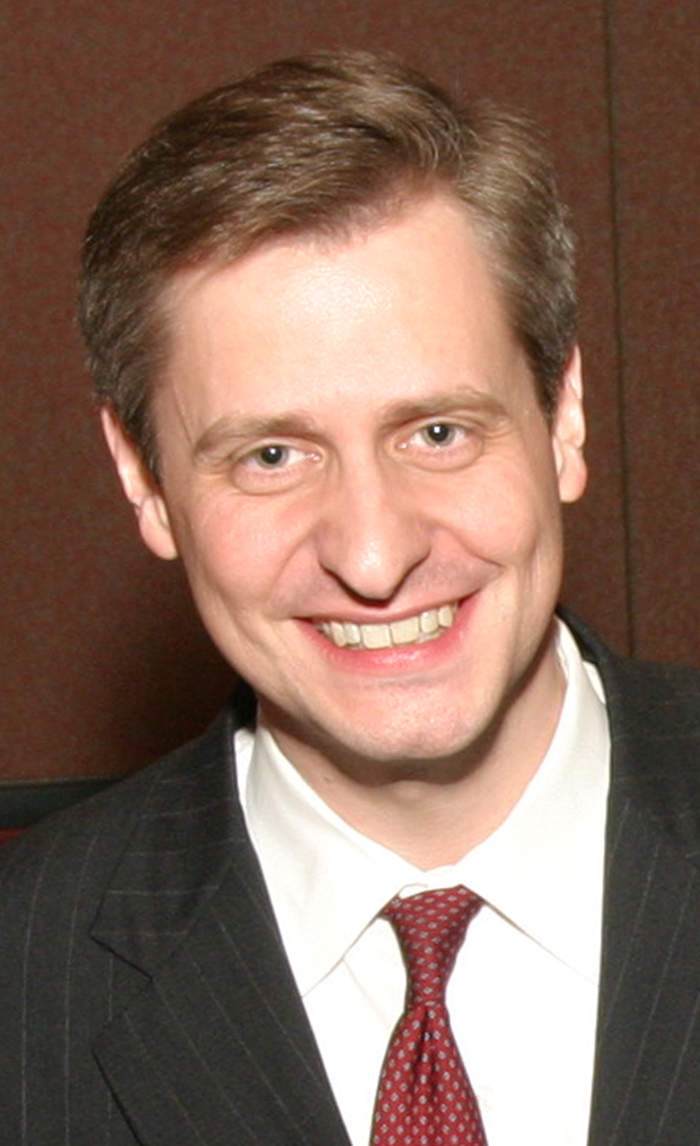
Jon Meacham, author, historian, journalist and television commentator, shares something in common with every other lecturer in this year’s Emerson Center’s Celebrated Speaker series, which is the need to improve how we educate our children. Meacham sees it as a matter of national security. Our economic leadership in the world is threatened by increasing competition from countries that give education the highest priority. So why has this happened?
According to Meacham in a recent interview with InsideVero, “Tragically, we tend to govern most effectively after a crisis. The Second World War led to the G.I. Bill, which provided an unparalleled access to higher education. Then, in 1957 the Russians were first into space, which led to increased emphasis on education in science and technology.”
But more recent crises – the attacks of 9-11 and the economic debacle of 2008-09 – did not lead to greater emphasis on education. Meacham says, “The political culture has become more fragmented than before.”
An example is the ongoing controversy over Common Core standards, which arose because many of our nation’s leaders saw the need to do something that would reverse the decline of academic competitiveness. Forty-five states adopted it, but a new movement has questioned it as a threat to local authority.
As Meacham points out, “The reality is that if you don’t have basic knowledge you can’t compete. For instance, if our graduates don’t understand why the debate over military intervention in country X has raised the specter of Vietnam, than the education system has failed them. Without a core of factual knowledge you can’t connect the dots that need to be connected for you to compete economically or be a good citizen.”
Meacham is probably best known for his historical biographies, particularly his 2012 book on Thomas Jefferson, The Art of Power and his Pulitzer Prize winning book on Andrew Jackson, American Lion. He notes that Jefferson had contradictory feelings about slavery as a slave owner. “From his early 30s, Jefferson felt that change would have to come, but the politics of the hour wouldn’t allow him to pursue an anti-slavery agenda.”
When slaves in nearby Haiti overthrew their French masters, the U.S. did not recognize Haiti’s new government. “In the south at that time, whites had a fear of slave violence, which was ironic since at the same time they argued for the benevolence of their system. It created a dilemma for Jefferson. However, the French defeat caused Napoleon to get rid of his New World holding, including the Louisiana Purchase.”
Meacham’s book on Jackson would not be popular among Seminole Indians today. “You have to view the Seminole War from his perspective. They fought with the British in the Revolution and War of 1812. The Seminoles and Cherokees were the enemy in his eyes, even thirty years later. I called him the American Lion in my book because if you were on his country’s side, he would defend you to the end, but if you were against him, God help you.”
Meacham will appear this coming Saturday at the Emerson Center. Tickets are still available by calling 778-5249 or go to their website at http://www.the emersoncenter.org.
 Indian River Guardian
Jon Meachem is absolutely correct that until and unless we invest in education that we run the risk of not being competitive in the global marketplace. Education is also the key to our national security. The biggest threat to America in the future is going to come from technology threats from our enemies. Sadly, we are not preparing the next generation for the threats now on the horizon.