
DAN GREEN
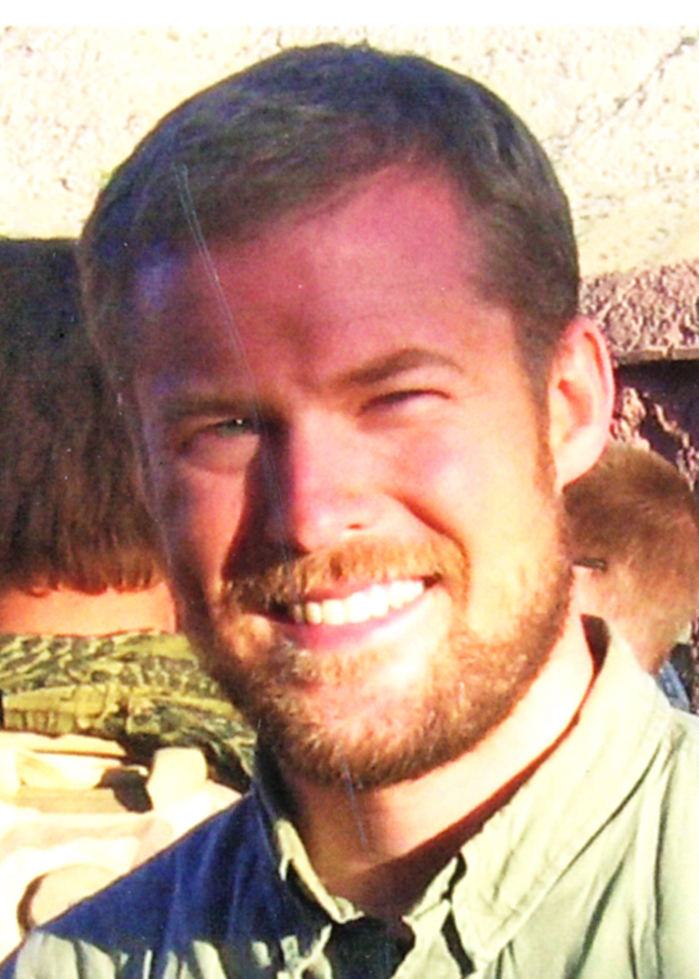
EDITOR’S NOTE: Dan Green graduated from Vero Beach High School in 1994 and has served in Iraq and Afghanistan. As the U.S. prepares to confront the Islamic State of Iraq and al-Sham (ISIS) in Iraq and Syria, he reflects upon his tour in Iraq when he worked with local Sunni Arab tribal leaders to confront al-Qaeda.
There was a key moment during my tour with the U.S. Navy in Fallujah in 2007 that I knew we were beating al-Qaeda in Iraq. It wasn’t a particular battle or firefight that tipped me off but a fairly innocuous report, one of several dozen I’d receive each day, chronicling the activities of a busy warzone with reports of enemy activity, key engagements with local leaders, and the latest news from around the country.
On this particular day, the report discussed the activities of a local al-Qaeda bomb-maker. This man had been making bombs for al-Qaeda for quite a while but at some point had decided that he had had enough and that he wanted to rejoin Iraqi society and turn his back on the insurgency. However, al-Qaeda doesn’t just let you leave once you’ve had enough — you either die with the organization or the organization kills you.
Having privately decided to turn against al-Qaeda, the bomb-maker went about his duties and continued to assemble and emplace improvised explosive devices (IED) against our soldiers but this time he deliberately made them inoperable. Because he knew our explosive ordinance disposal (EOD) teams would exploit the IEDs for intelligence value, he left detailed lists inside them of his fellow al-Qaeda members so U.S. forces would either capture or kill them. The reason he was making this decision was that in addition to his change of heart he knew al-Qaeda’s days were numbered in Iraq as that country’s tribes and Sunni Arab population turned against al-Qaeda.
As the U.S. begins to undertake a comprehensive plan to fight the Islamic State of Iraq and al-Sham (ISIS), it is useful to revisit the turning of the Sunni Arab heartland away from al-Qaeda during the Anbar Awakening, a tribal movement which had turned against al-Qaeda in Iraq, and to understand why it took place.
For many Iraqis, tribal identity is one of many an individual may simultaneously possess such as ethnic identify, religious identity, and even geographic identity. The central element of tribal identity is that unlike the experience of most Americans, one’s tribal ties make you a member of a group, an extended family if you will, where the success of the group means success for the individual. But like any family, there is a hierarchy to tribes that roughly goes from one’s family identity, to a clan, to a sub-tribe, to a tribe, to a tribal confederation. Many Arab names reflect this lineage as one’s social position is reflected in your extended family name. The leader of a tribe is called a paramount sheik but his role is not one of command and control over the tribe but is much more fluid. He must cajole other tribal members to follow his lead and use his example as well as his position as head of the tribal “family” to convince others to follow a certain path. However, even after a decision is made by a paramount sheik, sub-tribal sheiks will still push and pull him, trying to convince him of their perspective. This is why tribes are often difficult to work with since the authority to make decisions is somewhat unclear and frequently contested. One of the central reasons U.S. forces were able to defeat al-Qaeda in Iraq during the Iraq war in the Sunni Arab areas is that tribal identity often trumps most other forms of identity and endures regardless of politics. Additionally, Arab tribes are typically organized to some degree, although still quite fluid in their structure, and can be harnessed to confront radical Islamist forces. Tribal identity and loyalty trump the appeal of a radical vision of Islam. Another key aspect of tribes is the pragmatism of most tribal leaders since tribal interests trump those of the state or other groups and maintaining tribal cohesion is one of many goals a sheik attempts to balance as head of his tribe.
While I never knew what happened to the al-Qaeda bomb maker, I was confident that due to the tribal awakening washing over Al-Anbar Province beginning in 2006 and continuing until 2008, the pragmatic decision had been made by the tribes that their interests were with the central government of Iraq and not with al-Qaeda. This is why he wanted to leave al-Qaeda, the tribes no longer saw it in their interests to collaborate with and support the terrorist group.
As the U.S. develops its strategy to confront and then defeat ISIS, a central player will be the Sunni Arab tribes of western Iraq. The strength of the tribes is their deeply rooted pragmatism and, largely for that reason, many of them allowed ISIS to “control” their areas because it suited their interests against an Iraqi Government led by Prime Minister Maliki which had ceased to serve their interest and had quickly become antagonistic to them. As the U.S. crafts its strategy against ISIS, it will need to provide a compelling reason for the tribes to once again turn against radical Islam which will mean providing a political rationale for them to join with the Iraqi Government. Additionally, any security strategy to fight the terrorist group will need the help of the tribes as the Iraqi Army and police forces will need local guides, information, and assistance to distinguish the terrorists from the local population. As the U.S. once again confronts the rise of radical Islamist forces, it must remember what worked during the war in Iraq and adjust its strategy accordingly. At the end of the day, if you don’t enlist the population in its own defense, you have effectively conceded it to the enemy.
More about Dan Green….
Dan Green is a veteran of Iraq and Afghanistan and recently co-authored his second book entitled Fallujah Redux: The Anbar Awakening and the Struggle with al-Queda (Naval Institute Press, 2014).
 Indian River Guardian
Great article, most informative and most of all”thank you for Serving”!
Your statements make a lot of sense, and I believe the President very wisely made sure that Prime Minister Maliki stepped down so that this eradication of ISIS could be accomplished.
I am so glad that INVERO gave all of us this most important upgrade as to what our nation is faced with today. Keep up the “great work”, I am so proud of all of you!