
COMMENTARY
“For politicians like Turner and Howle, and utility activists like Faherty, Glenn Heran and Charlie Wilson, and for all those who have chosen to follow them into the Land of Discontent, it is time for a reality check.”
MARK SCHUMANN

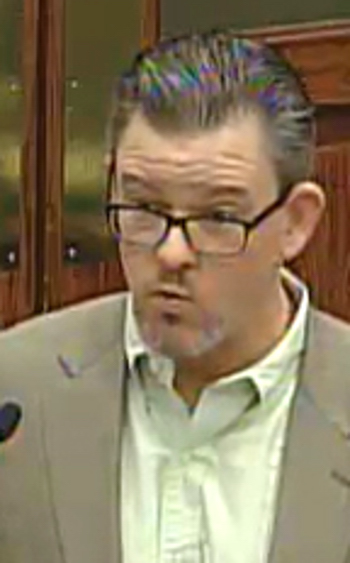
Vero Beach City Councilwoman Pilar Turner and candidate Harry Howle contend Vero Beach’s government is bloated. Further, they argue the city is paying for excessive spending by transferring way too much revenue from Vero Electric to the city’s general fund. A comparison of Vero Beach’s electric transfer and tax rate to other Florida cities simply does not support the claims Turner and Howle are making.
Florida’s investor-owned utilities, including Florida Power & Light, are guaranteed rates of return of 11 percent and higher. Rather than distributing profits to shareholders, Florida’s municipally-owned utilities, including Vero Electric, return a portion of their operating revenue to their respective cities. That money is used to help pay for services such as police protection, recreation programs and maintenance of public parks.
On average, the 26 member cities of the Florida Municipal Power Association transfer 9 percent of electric revenues to their city’s general fund. Vero Beach’s transfer rate is 6 percent, and on rates that are within the statewide average. At 21.3 percent, Havana has the highest transfer rate. Keyes Energy Services transfers the smallest percentage of its revenues, at .4 percent. The statewide average is 9 percent.
Turner, Howle and their allies argue the 6 percent transfer to the general fund amounts, at best, to taxation without representation, and, at worst, to extortion.
The facts, though, just do not bear out Turner’s and Howle’s claims.
Like Vero Beach, neighboring Ft. Pierce transfer 6 percent of its electric revenue to the city’s general fund. Yet, Ft. Pierce has a property tax rate of 6.6 percent, compared to Vero Beach’s rate of 2.1 percent.
Lakeland uses 8.4 percent of its electric revenue to help pay for municipal services, yet Lakeland has a property tax rate of 4.66 percent, more than double Vero Beach’s millage rate.
Lake Worth transfers 7.6 percent of its electric revenue to the city’s general fund, but also assesses a property tax rate of 5.49 percent, again more than double Vero Beach’s tax rate.
Gainesville Regional Utilities transfers 7.8 percent of its revenue to the City of Gainesville, which assesses a property tax rate of 4.5 percent.
The City of Orlando receives a generous 15.8 percent transfer from the Orlando Utilities Commission. Orlando also has a property tax rate of 6.6 percent, which is more than three time Vero Beach’s rate.
Considering the 11 percent plus rate of return investor-owned utilities are allowed/guaranteed by the Florida Public Service Commission, and compared to the statewide average for municipal utilities of 9 percent, Vero Beach transfer rate from Vero Electric hardly amounts to extortion, as Turner, candidate Harry Howle, Steven Faherty and other FPL allies claim.
Further, at 2.1, likely to rise to 2.3, Vero Beach’s property tax rate is half the 4.55 average for the 26 member cities of the FPLA.
In service to FPL, which is seeking to grow profits by expanding its customers base, Turner, Howle and company are little more than merchants of discontent.
I sometimes wonder how many local utility activists, if they were told by their doctor they had just one more year to live, would spend their precious lives so upset over electric rates, especially given that those rates are within the statewide average. Clearly these people have lost a sense of what matters most.
Just consider the good a man like Steven Faherty could do mentoring a child, rather than spending precious time regularly cranking out his mean-spirited and misguided “Utility Update” newsletter.
For politicians like Turner and Howle, and utility activists like Faherty, Glenn Heran and Charlie Wilson, and for all those who have chosen to follow them into the Land of Discontent, it is time for a reality check.
 Indian River Guardian