
EDITORIAL


In forums sponsored by the Indian River Tea Party and the Indian River Taxpayers’ Association, in answers to questions posed by the press, in campaign advertising, in door-to-door electioneering, and in numerous public statements, all five candidates vying for two seats on the Vero Beach City Council have made clear their views on key issues facing the community.
Listening to the candidates explain their positions, it is tempting to conclude Mayor Richard Winger and Councilwoman Amelia Graves on the one hand, and challengers Laura Moss, Brian Heady and Harry Howle on the other, dwell in alternate, parallel universes.
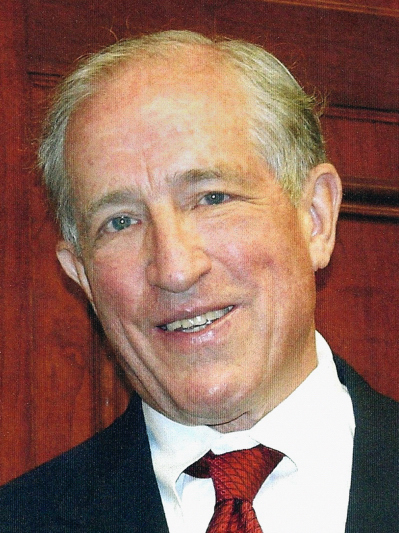
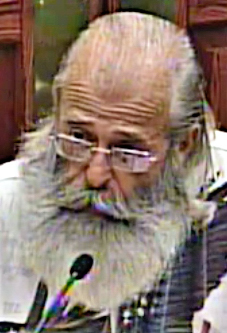
To embrace the notion of parallel universes, though, is to sink into relativism. And that, quite arguably, is an inevitable consequence of lazy thinking. If Vero Beach voters are to go to the polls informed on the issues, they will need to take the time and make the effort to sift through starkly contrasting positions, and then decide for themselves what they desire for their community.
Moss, Heady and Howle all contend it is unnecessary to increase taxes in the coming fiscal year. Graves and Winger share a differing view. They say a tax increase at this time is unavoidable. The two incumbents argue revenues must be increased, if the pension fund is to be converted from defined benefit to defined contribution, if municipal services are to be maintained, and if city employees are to receive their first pay raise in several years.

Graves and Winger contend that, short of action by the Florida Legislature, there is no so-called “path forward” for selling Vero Electric to Florida Power & Light. All parties to the 2013 purchase and sale contract between Vero Beach and FPL agree the deal, as approved by voters, cannot be concluded.
Standing in the way of the sale are the City’s contractual obligations to the Florida Municipal Power Agency and its bondholders. While not closing the door on an eventual sale, Graves and Winger decided more than a year ago to double down on efforts to cut Vero Electric’s costs and to lower rates. Since them, rates have come down six percent, and will go down further starting next month, when recently negotiated revisions to the City’s wholesale power purchase contract with the Orlando Utilities Commission go into effect.
Moss, Heady and Howle, all of whom opposed negotiating a revised deal with the OUC, see rate cutting measures as little more than a betrayal of the will of the public. They argue that because voters in 2013 approved a sales agreement between Vero Beach and FPL, finding a way to complete the sale should be the City Council’s singular focus.
Moss, Heady and Howle all support selling Vero Electric’s Indian River Shores customers base at or close the $13 million recently offered by FPL. Graves and Winger insist selling off the Shores at the price offered by FPL would lead to rate increases for Vero Electric’s remaining customers. They insist any so-called partial sale should be structured to insure the City’s remaining electric customers are not left paying higher rates.
Graves and Winger say it is time to begin restoring at least some of the staffing cuts made in the wake of the 2008 financial crisis and the recession that followed. They both recently approved adding two police officers, two lifeguards, two positions in finance and one additional recreation coordinator. Accounting for these new positions, the City’s general fund employee count will be 195, compared to 261 in 2008, still down 25 percent from where it peaked nine years ago.
While some of the staffing cuts since 2008 were in response to the recession, and specifically to the housing market crash, many other cuts were made in anticipation of the revenue loss to result from the expected sale of Vero Electric. Due to the City’s contractual obligations, that sale now seems unlikely.
Moss, Heady and Howle have criticized as unnecessary and wasteful the staffing increases provided for in the 2015/2016 budget.
In sorting through these contrasting visions for Vero Beach, voters have some homework to do before the go to the polls Nov. 3. Every candidate deserves consideration of their position, and every voter owes it to themselves and to their fellow citizens to cast an informed vote.
 Indian River Guardian