
COMMENTARY
MILT THOMAS
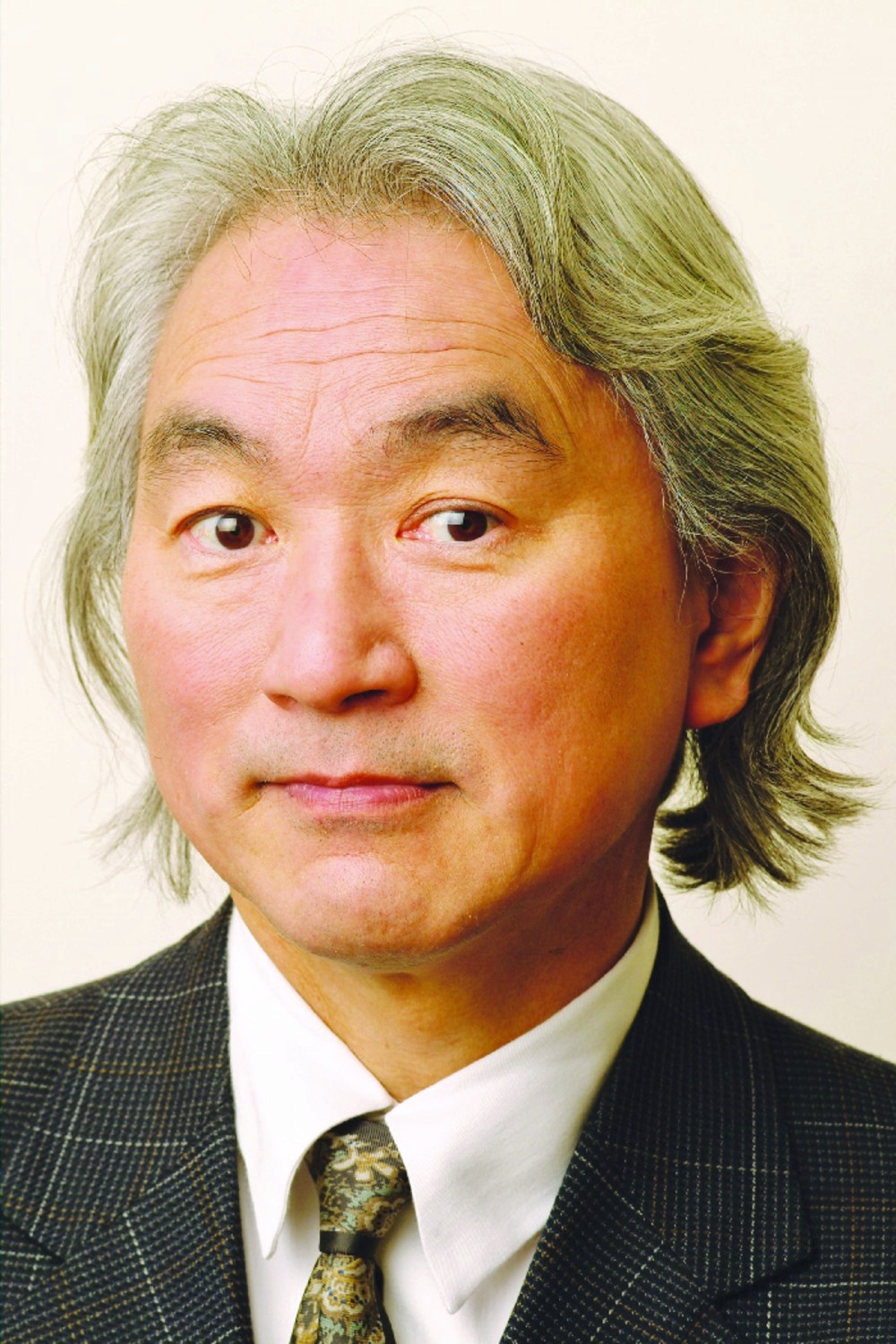
Last Saturday, Dr. Michio Kaku, noted physicist/futurist, gave an excellent talk at the Emerson Center. For those who might not know, he is also a bestselling author (three New York Times Number ones about science) and appears frequently as a guest on talk shows and science-oriented specials. He is probably best known for making complex concepts easy to understand. All this and his day job, as he calls it, is working on “the theory of everything,” or as it is known today, string theory.
As a futurist, he waxed enthusiastically about computer chips in your eye and in your wallpaper and Type One civilzations. As a physicist, he explained the origin of our universe (there are probably others) and peppered his serious talk with funny lines so the audience was left feeling enthusiastic about science and at the same time, entertained.
The fact that he filled the Emerson Center to capacity for two performances (okay, a total of 30 seats out of 1600 were unsold) should tell us something. But what?
Yes, he was entertaining and packed so many new ideas and concepts into his one hour presentation it left the audience plenty of fodder for after-show dinner conversations. Remarkably, even the Q&A session presented him with many excellent, probing questions. One was about a black hole at the center of our galaxy. It is much larger than first thought, so why doesn’t it consume us? Kaku’s lightning fast response to this question included a quip – a black hole is like a roach motel, everything checks in but nothing checks out – then explained that we are in an orbit around the black hole and out of its reach. His answers were so smooth it seemed as though he knew the questions in advance, but he didn’t. He’s just that smart.
But questions from the sellout crowd also indicated a level of intelligence that gives us hope for America’s future – that is until you realize most attendees were of the white or gray hair demographic. Yes, there were a few very bright kids in the audience, but where were all their classmates on this Saturday night? Certainly not postulating about string theory.
So here we are in the Emerson Center, sold out with people seeking knowledge about the future because of this famous scientist and his well-documented ability to explain esoteric and dense science to lay people, yet those same people probably won’t be around when the future happens.
Does it really get down to the disheartening reality of our youth-oriented culture where dreams of the future involve a new iPhone or Katy Perry’s next album? Or is it a future that is too scary to think about so it is more comforting to look in the rear view mirror when life was simpler, everything made sense and your future was practically assured (as long as you were a white male).
Just about every notable lecturer who comes here tells us our nation’s future depends on the success of our education system, producing scientists and engineers if we are to remain relevant in an increasingly competitive world. Were the people who needed to hear that message in attendance? Some of them were. Dr. Michio Kaku is a superhero to a tiny minority of students who must carry the burden of our future on their shoulders while themselves enduring the taunts of classmates who will never know – or care – that Dr. Kaku exists.
But they should care. When our generation hands over the reins to America’s youth, will they drive us into a world of service jobs and unmet expectations? Or will they inspire their kids to make scientists the real life superheroes? And if so, will it be too late?
 Indian River Guardian